What Packaging Says About A Brand & The Role It Plays In Consumer Behavior
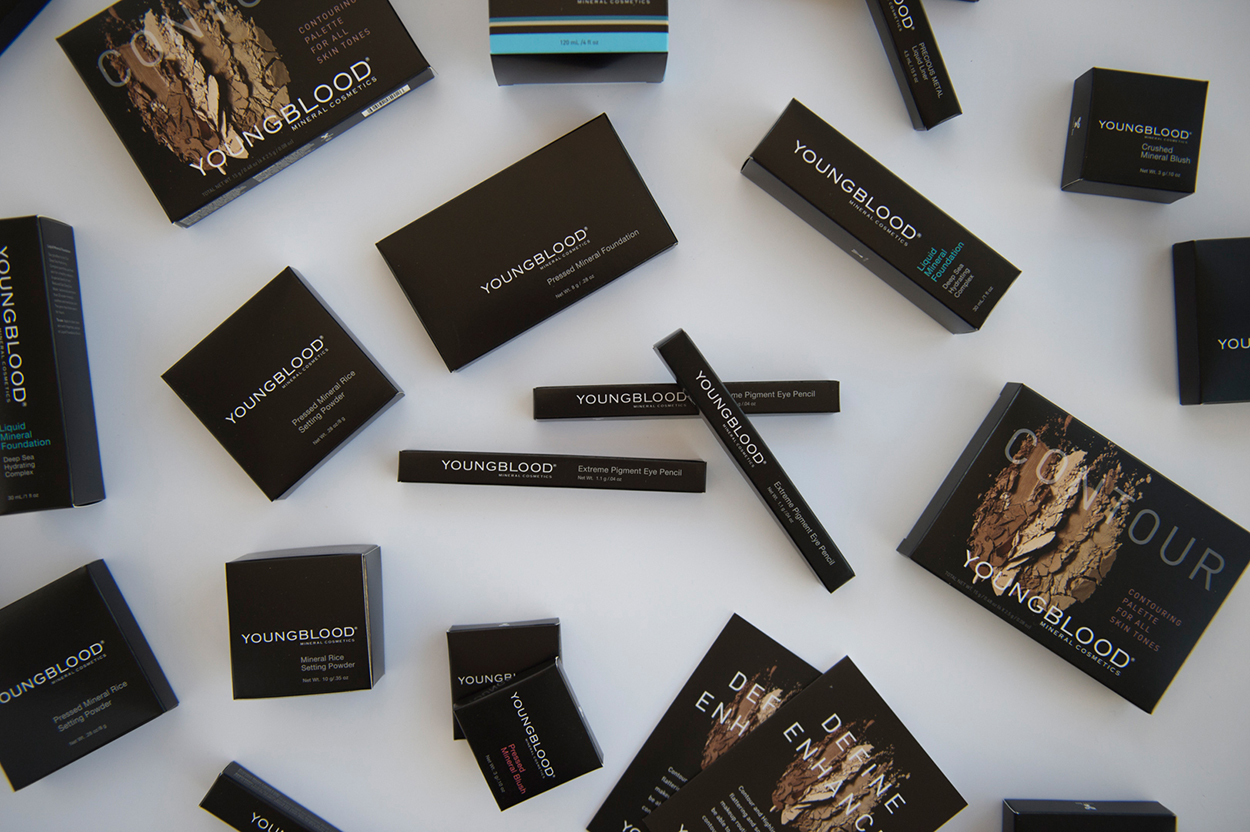
Marketing your brand begins long before a customer experiences your product; it starts with perception. Every visual cue, every message, and every touchpoint communicates who you are, what you value, and why consumers should care. Among these touch points, packaging stands as one of the most powerful and immediate ways to shape that perception.
Packaging is often the first physical interaction a consumer has with your brand. Before they try your product, they see it, hold it, and form an opinion within seconds. Is it premium or budget? Is it thoughtful or generic? Is it trustworthy? These judgments happen almost instantly, and they’re driven largely by design, materials, color, typography, and print quality. In a crowded marketplace, packaging is not just a container; it’s a silent salesperson and an opportunity
Strong Packaging Tells a Story
o It aligns with your broader marketing strategy
o Reinforces your brand identity across every channel.
If your digital presence promises innovation and quality, but your packaging feels flimsy or outdated, that disconnect can erode trust. On the other hand, when packaging reflects the same care and intention as your advertising and messaging, it builds credibility and strengthens brand recognition.
Consumer psychology research consistently shows that packaging plays a major role in shaping buying decisions, with many consumers forming opinions about a product based solely on how it looks on the outside. An IPSOS survey found that 72% of American shoppers said packaging design directly influenced their decision to purchase a product.
"72% of consumers influenced by packaging"

The Right Partner Doesn’t Just Execute Your Vision, They Help Refine it
Achieving that level of consistency and impact doesn’t happen by accident. It requires collaboration. Specifically with a printer and packaging partner who understands your brand’s needs and the reality of consumer behavior. Today’s businesses operate in fast-moving environments where last-minute changes, seasonal campaigns, and evolving regulations are the norm. A rigid production partner can slow you down, but a nimble one can become a strategic advantage.
This is where working with an experienced commercial printer becomes critical. The right partner doesn’t just execute your vision, they help refine it. They understand materials, finishes, and structural design. They anticipate challenges and offer solutions. And most importantly, they have the flexibility to adapt when timelines shift or updates are needed at the eleventh hour.
A trusted print partner who understands your brand's needs and goals is crucial. The right partner goes far beyond printing — they understand how packaging functions as a marketing tool and recognize that getting it right the first time saves you time, money, and brand equity.

What sets a great commercial printer apart from a good one is not just technical capability, but responsiveness. In today’s competitive landscape, brands can’t afford delays or missteps. Whether it’s adjusting artwork, refining color accuracy, or accommodating a late-stage design change, having a partner who can move quickly without compromising quality is invaluable.
Ultimately, your packaging is more than a protective shell, it’s a direct extension of your marketing and a conversion tool if executed properly. It communicates your brand story, influences buying decisions, and sets expectations for the product inside. By investing in thoughtful design and partnering with a printer who understands both creativity and execution, you position your brand to stand out, connect, and win over consumers from the very first touch.
The Personal Touch: Building Trust and Credibility
Establishing trust with customers is crucial in any industry. Through crafting personalized and relevant messages, businesses can build brand affinity and trust before personal interactions by utilizing direct mail. Companies can use direct mail to demonstrate an understanding of their potential client's needs and priorities in many ways that meet regulatory personal information requirements.
Here are just a few examples:
- A financial services firm could send personalized investment insights based on a recipient's portfolio.
- A healthcare provider could share wellness tips tailored to specific demographics or community-based programs available for certain zip codes.
- An insurance firm could provide plans unique to certain areas, such as older homes in Southern California, hail-prone areas like North Texas, or unique life insurance plans that cater to high-net-worth individuals in specific zip codes.
These personalized touches can leave a lasting impression on potential customers, helping to increase brand affinity, build brand trust, and add a personal touch.
Consider these insights from recent studies:
- Since the 1980s, researchers in psychology, computer engineering, and library and information science have published over 100 studies exploring differences in how people read on paper and screens. Before 1992, most experiments concluded that people read stories and articles on screens more slowly and remember less about them. Despite improvements in screen technology, recent surveys still suggest that people prefer paper when they need to concentrate for a long time and remember more of what they read on paper compared to digital screens (Carr).
- Most studies published since the early 1990s confirm that paper still has advantages over screens as a reading medium. Digital devices can prevent people from efficiently navigating long texts and may subtly inhibit reading comprehension. Compared with paper, screens may drain more of our mental resources while reading and make it a little harder to remember what we read when we are done (Carr).
- Studies show that both grade school and college students assume they'll get higher scores on a comprehension test if they have done the reading digitally. Yet, they score higher when they read the material in print before being tested (Urist).
- Psychologists have demonstrated that when adults read news stories or transcripts of fiction, they remember more of the content than if they listen to identical pieces. Researchers found similar results with university students reading an article versus listening to a podcast of the text. A related study confirms that students do more mind-wandering when listening to audio than when reading (Urist).
With most of today's marketing messaging delivered digitally, customers receiving a well-crafted mailer can have a lasting impact. The ability to hold a tangible object on high-quality paper with well-designed images and copy is a differentiator in itself.
The tactile experience of holding that physical artistry is one of many benefits of decision-makers choosing direct mail over digital messages. Potential customers are also far more likely to remember the messages they receive via physical paper than they are from digital messages. The experience increases the perceived value of the message (tangible goods versus fleeting digital ads or deleted emails), holding a physical object adds a more tangible aspect to the company itself, and a well-designed mailer can leave a memorable impression on potential customers who receive it.
Get in touch
If you would like to know more about how our team at National Graphics can help your company leave a lasting impact through creative and solution based consumer facing packaging, contact us today at (805) 695-3116 or email us at info@nationalgraphics.com.
Citations
-
IPSOS: Product’s Packaging Often Influences Their Purchase Decisions
https://www.ipsos.com/en-us/news-polls/Most-Americans-Say-That-the-Design-of-a-Products-Packaging-Often-Influences-Their-Purchase-Decisions