Skip to content
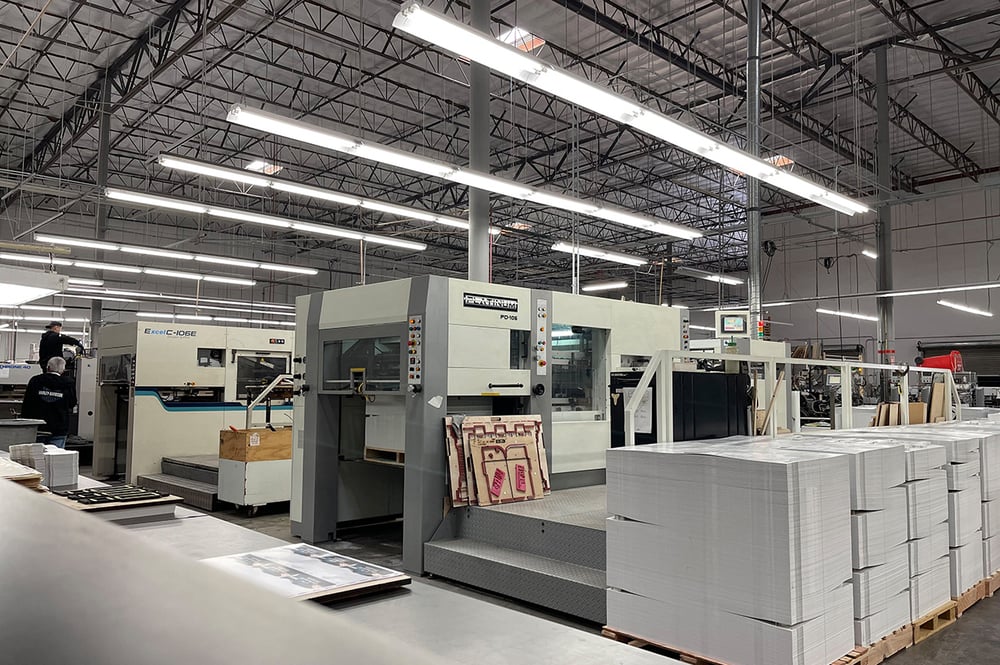
NatGraph Production Floor 4991 1920x1080

How to choose the right commercial printer (Questions you should be asking)
June 19, 2026

Choosing a commercial printing partner is about more than finding someone who can put ink on paper. The right printer can help elevate your brand, ensure consistency across your marketing materials, and save you time and money in the long run. Whether you're ordering brochures, catalogs, large signage, direct mail pieces, promotional items or custom packaging, asking the right questions can help you find a printer that meets your needs and exceeds your expectations. We have come up with the seven questions any marketing team should be asking themselves when choosing a printer for their needs:


WHAT YOU NEED TO BE ASKING


1. What Types of Printing Services Do You Offer?

Not all commercial printers provide the same range of services. Some specialize in large-format signage, while others focus on marketing collateral, packaging, or direct mail campaigns. Before making a decision, confirm that the printer has experience producing the specific materials you need and can support future projects as your business grows. Aside from checking the box that the service you’re looking for is covered, ask the questions about for how long have they done this type of printing, show examples of past work and vet your printer on investing in the latest machinery that may factor into pricing when shopping around.


2. What Is Your Experience with Similar Projects and or industry?

A printer's experience can make a significant difference in the quality and efficiency of your project. Ask if they have worked with businesses in your industry or produced similar print materials. Reviewing samples of previous work can provide valuable insight into their capabilities and attention to detail. Finding a printer who is familiar with your industry can not only save money but save you an incredible amount of time of back and forth because they have industry knowledge. Whether it’s familiarity with industry standards or customer information protection for direct mail services, it is a good idea to find a printer with experience within your industry.

Die Cutting 1250px

3. How Do You Ensure Print Quality?

Consistency is critical when representing your brand. Ask about their quality control processes, color management systems, and proofing options. A reputable commercial printer should be able to explain how they maintain color accuracy and ensure every piece meets professional standards. To the point above in section one, this is a time to inquire about their machines compared to the competition and if their investment in the latest machines is something they are focused on for clients to get the best output possible.


4. What Are Your Turnaround Times?

Deadlines matter. Whether you're preparing for a trade show, product launch, or marketing campaign, understanding production schedules is essential. Ask about standard turnaround times, rush-order options, and how they handle unexpected delays.


5. Can You Help with Design and File Preparation?

Even the best print equipment cannot compensate for poorly prepared artwork. Many commercial printers offer prepress services, file reviews, and design assistance. Having access to these resources can help prevent costly mistakes and ensure your finished product looks exactly as intended.
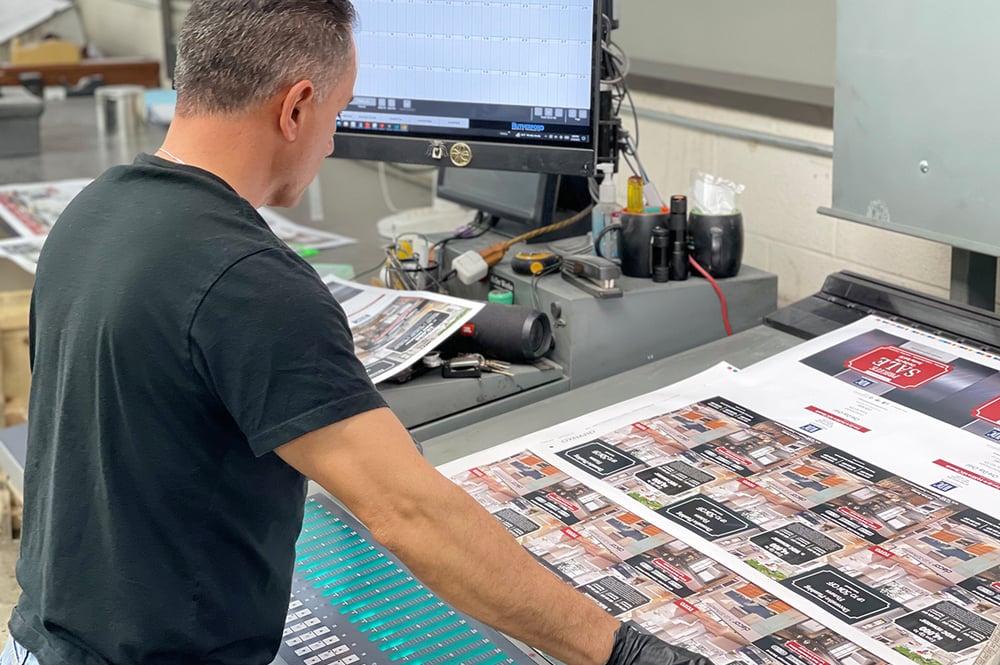
Pressman Proofing 1250px

6. What Are the Total Costs Involved?

Price is important, but the lowest quote isn't always the best value. Ask for a detailed estimate that includes setup fees, shipping costs, finishing options, and any additional charges. Understanding the full scope of pricing helps you compare providers accurately and avoid surprises later. Finding a print partner you can trust to answer these questions for you is crucial. The price you see is the price you should be paying and there should be no hidden fees or surprises later.


7. What Level of Customer Support Can I Expect?

A strong printing partner should be responsive, knowledgeable, and easy to work with. Ask who your point of contact will be and how communication is handled throughout the project. Excellent customer service often leads to smoother production and better results. No matter your experience level with commercial printing, there should be a great relationship built throughout the process. A hand holding if needed, a more direct execution if needed, but regardless of the experience level your printer should treat your brand like their own down to every detail.

The Personal Touch: Building Trust and Credibility

Establishing trust with customers is crucial in any industry. Through crafting personalized and relevant messages, businesses can build brand affinity and trust before personal interactions by utilizing direct mail. Companies can use direct mail to demonstrate an understanding of their potential client's needs and priorities in many ways that meet regulatory personal information requirements.

Here are just a few examples:

  • A financial services firm could send personalized investment insights based on a recipient's portfolio.
  • A healthcare provider could share wellness tips tailored to specific demographics or community-based programs available for certain zip codes.
  • An insurance firm could provide plans unique to certain areas, such as older homes in Southern California, hail-prone areas like North Texas, or unique life insurance plans that cater to high-net-worth individuals in specific zip codes.


These personalized touches can leave a lasting impression on potential customers, helping to increase brand affinity, build brand trust, and add a personal touch.

Consider these insights from recent studies:

  • Since the 1980s, researchers in psychology, computer engineering, and library and information science have published over 100 studies exploring differences in how people read on paper and screens. Before 1992, most experiments concluded that people read stories and articles on screens more slowly and remember less about them. Despite improvements in screen technology, recent surveys still suggest that people prefer paper when they need to concentrate for a long time and remember more of what they read on paper compared to digital screens (Carr).
  • Most studies published since the early 1990s confirm that paper still has advantages over screens as a reading medium. Digital devices can prevent people from efficiently navigating long texts and may subtly inhibit reading comprehension. Compared with paper, screens may drain more of our mental resources while reading and make it a little harder to remember what we read when we are done (Carr).
  • Studies show that both grade school and college students assume they'll get higher scores on a comprehension test if they have done the reading digitally. Yet, they score higher when they read the material in print before being tested (Urist).
  • Psychologists have demonstrated that when adults read news stories or transcripts of fiction, they remember more of the content than if they listen to identical pieces. Researchers found similar results with university students reading an article versus listening to a podcast of the text. A related study confirms that students do more mind-wandering when listening to audio than when reading (Urist).


With most of today's marketing messaging delivered digitally, customers receiving a well-crafted mailer can have a lasting impact. The ability to hold a tangible object on high-quality paper with well-designed images and copy is a differentiator in itself.

The tactile experience of holding that physical artistry is one of many benefits of decision-makers choosing direct mail over digital messages. Potential customers are also far more likely to remember the messages they receive via physical paper than they are from digital messages. The experience increases the perceived value of the message (tangible goods versus fleeting digital ads or deleted emails), holding a physical object adds a more tangible aspect to the company itself, and a well-designed mailer can leave a memorable impression on potential customers who receive it.

FINAL THOUGHTS

Selecting the right commercial printer is an investment in your brand's success. By asking these key questions, you can identify a printing partner that delivers quality, reliability, and value The best commercial printers are committed to helping businesses bring their ideas to life with professional printing solutions tailored to their unique needs. You should feel like no idea is too small or too big when starting out on your printer search. Find a printer who understands your industry, has experience in your industry and together create a relationship of trust, security and creativity.


GET IN TOUCH

If you would like to know more about how our team at National Graphics can help your company leave a lasting impact through creative and solution based consumer facing packaging, contact us today at (805) 695-3116 or email us at info@nationalgraphics.com.


Contact


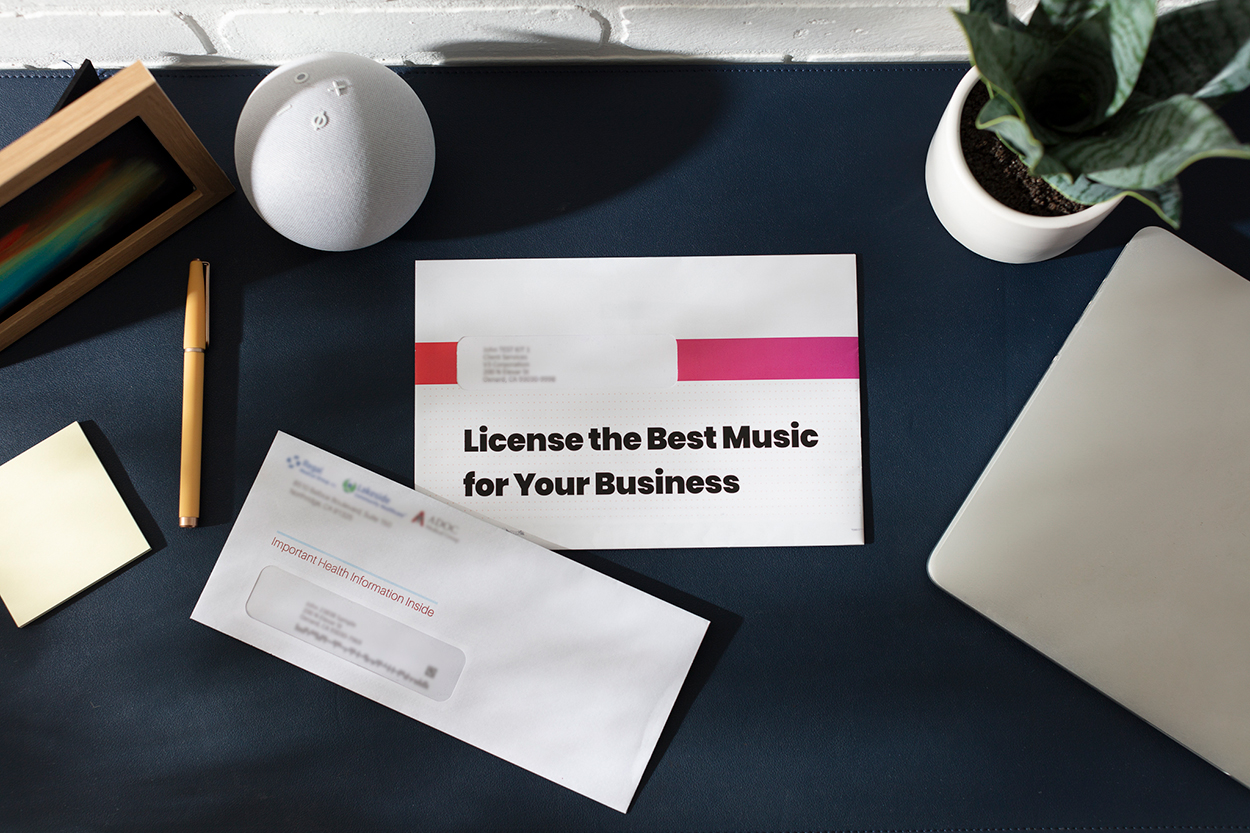
  • Regal Medical Group Direct Mail 1250px
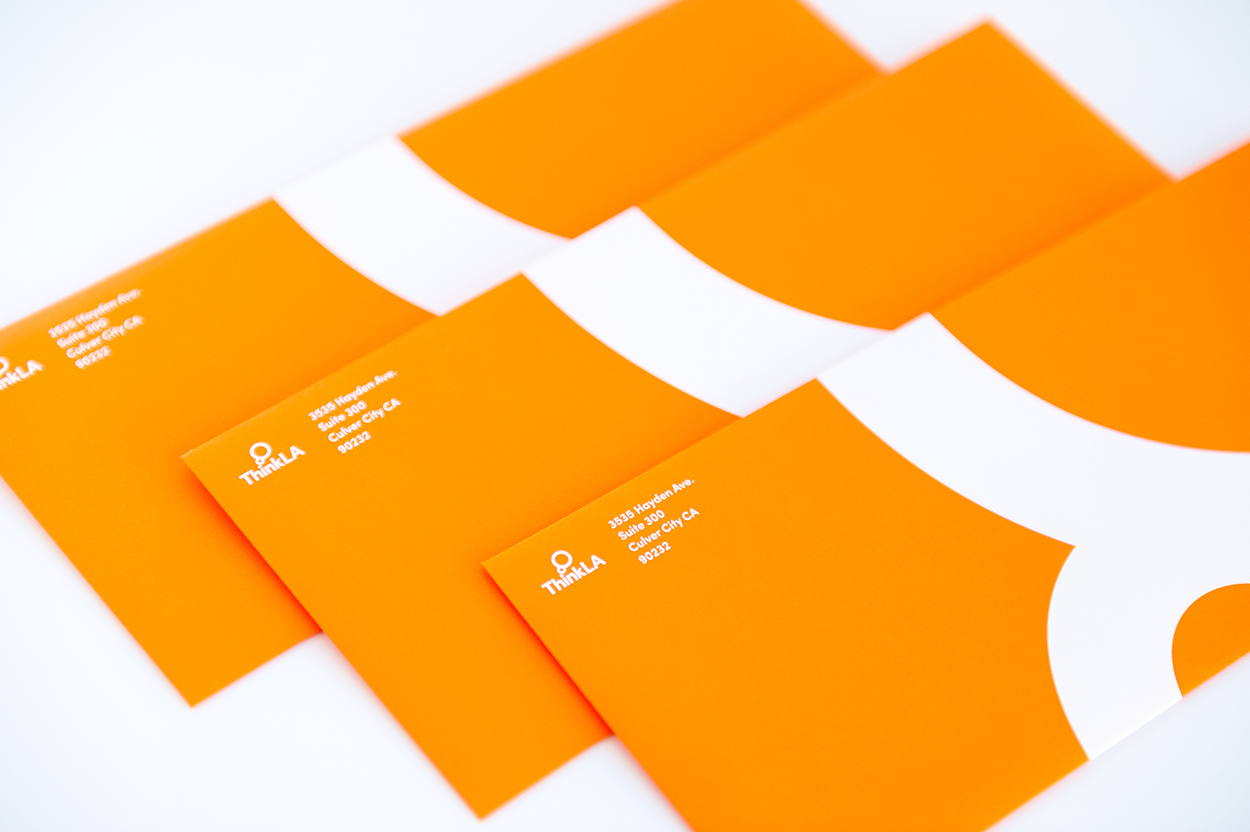
  • ThinkLA 1250px
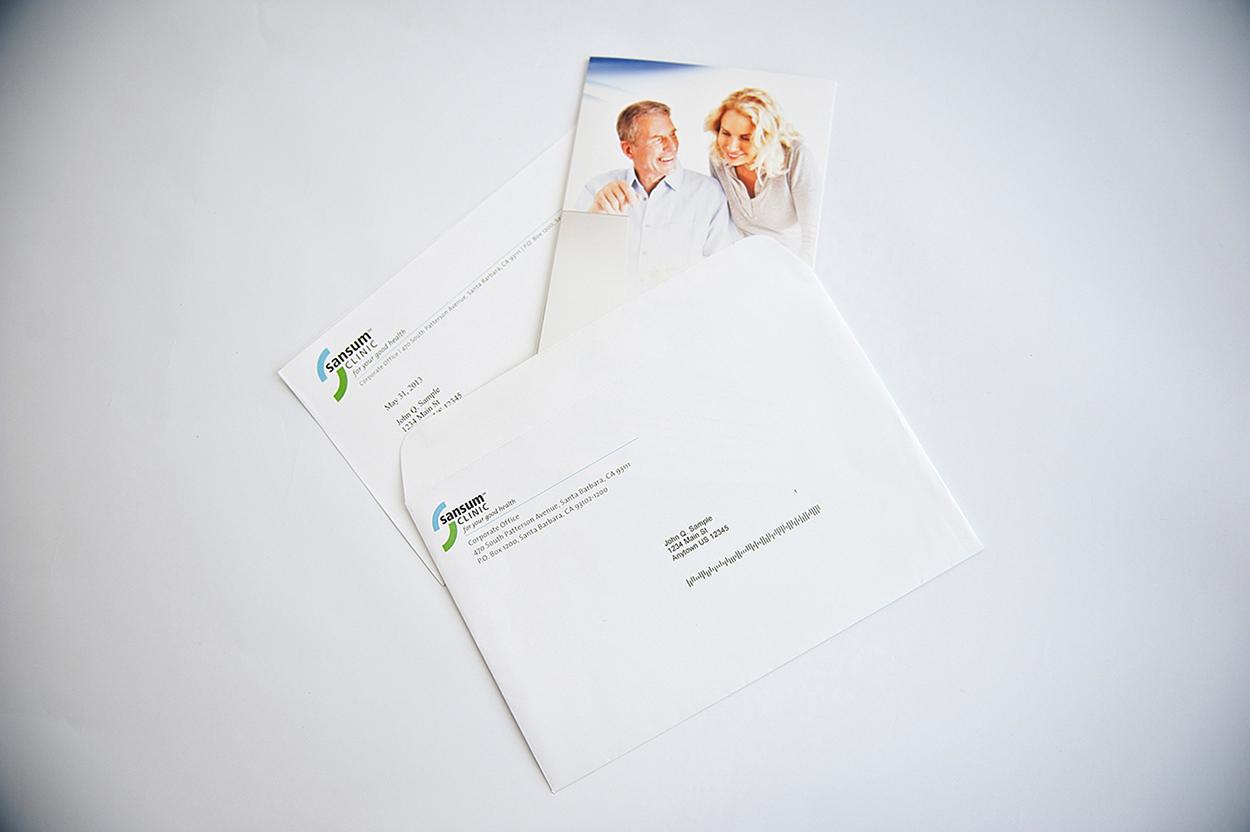
  • Sansum Clinic Direct Mail 1250px
  • SESAC Direct Mail Alt 1250px